Greta Schmidt · 12 September 2026
Sediment Core Studies Reveal Hidden Links Between Aquaculture Operations and River Ecosystem Shifts in Scottish Highlands
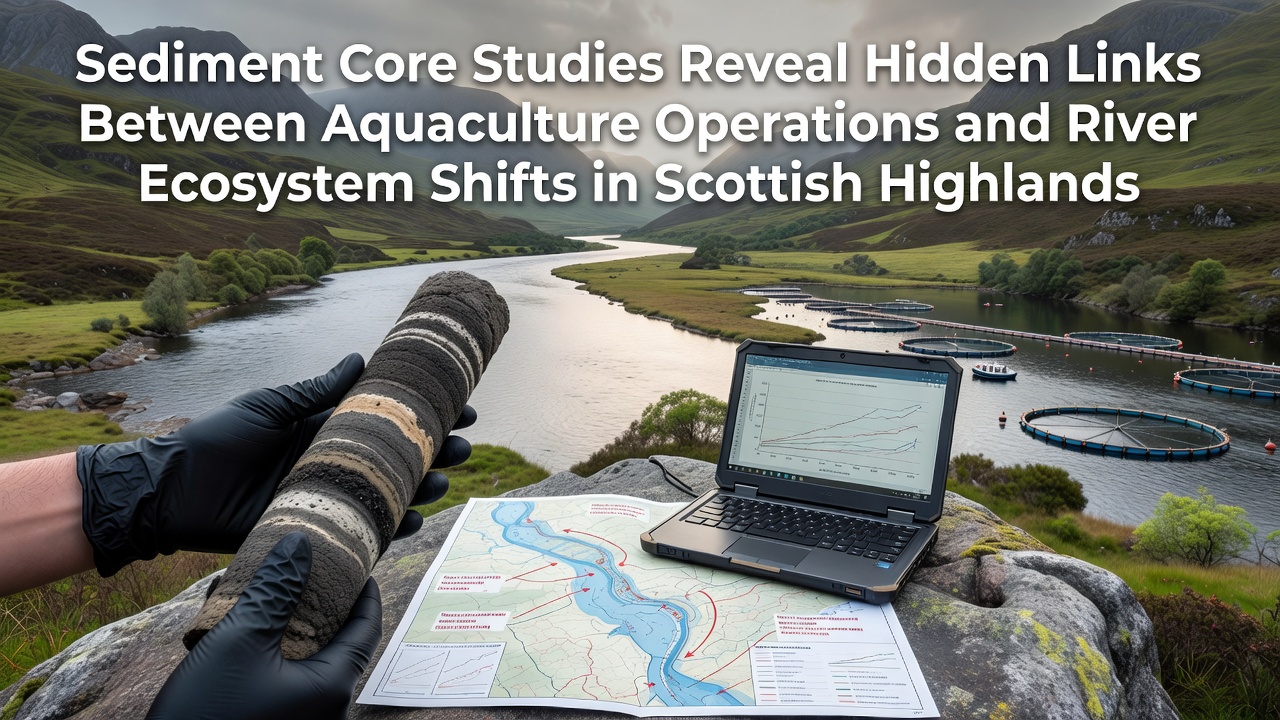
Researchers have turned to sediment cores pulled from riverbeds across the Scottish Highlands to uncover connections between aquaculture facilities and changes in local ecosystems, and these studies provide layered records that extend back through recent decades of industry growth. Cores collected from multiple catchments reveal shifts in nutrient levels, organic matter composition, and trace elements that align with the timeline of fish farm expansions along nearby tributaries, while the data come from methodical sampling that preserves chronological sequences in the mud and silt deposits.
Methods Behind the Core Sampling
Teams from several universities and environmental agencies extract cores using gravity corers and piston devices that minimize disturbance to the sediment layers, then they slice the samples at precise intervals for laboratory analysis including radiometric dating with cesium-137 and lead-210 to establish accurate timelines. Chemical assays measure phosphorus, nitrogen compounds, and carbon isotopes, whereas biological proxies such as diatom assemblages and invertebrate remains indicate past water quality conditions, and this combination allows reconstruction of environmental conditions before and after aquaculture operations began in specific watersheds.
One study focused on the River Carron catchment where multiple salmon farms operate upstream, and the cores showed increased sedimentation rates beginning in the late 1990s that corresponded with expanded production volumes reported by the facilities. Observers note that the same cores contained elevated signatures of antibiotics and feed additives used in aquaculture, patterns that do not appear in control sites located far from farm clusters, while the methodology rules out confounding factors like forestry runoff through comparative analysis across sites with differing land uses.
Documented Ecosystem Changes
Data from the cores indicate rising organic carbon content and shifts in benthic community structures that coincide with periods of intensified aquaculture activity, and these changes include declines in certain pollution-sensitive diatom species alongside increases in taxa tolerant of enriched conditions. Riverine ecosystems in the Highlands have experienced alterations in nutrient cycling that the sediment records tie directly to point-source inputs from fish pens, although the studies also document recovery signals in some locations after operational adjustments such as fallowing periods or feed reformulation occurred.
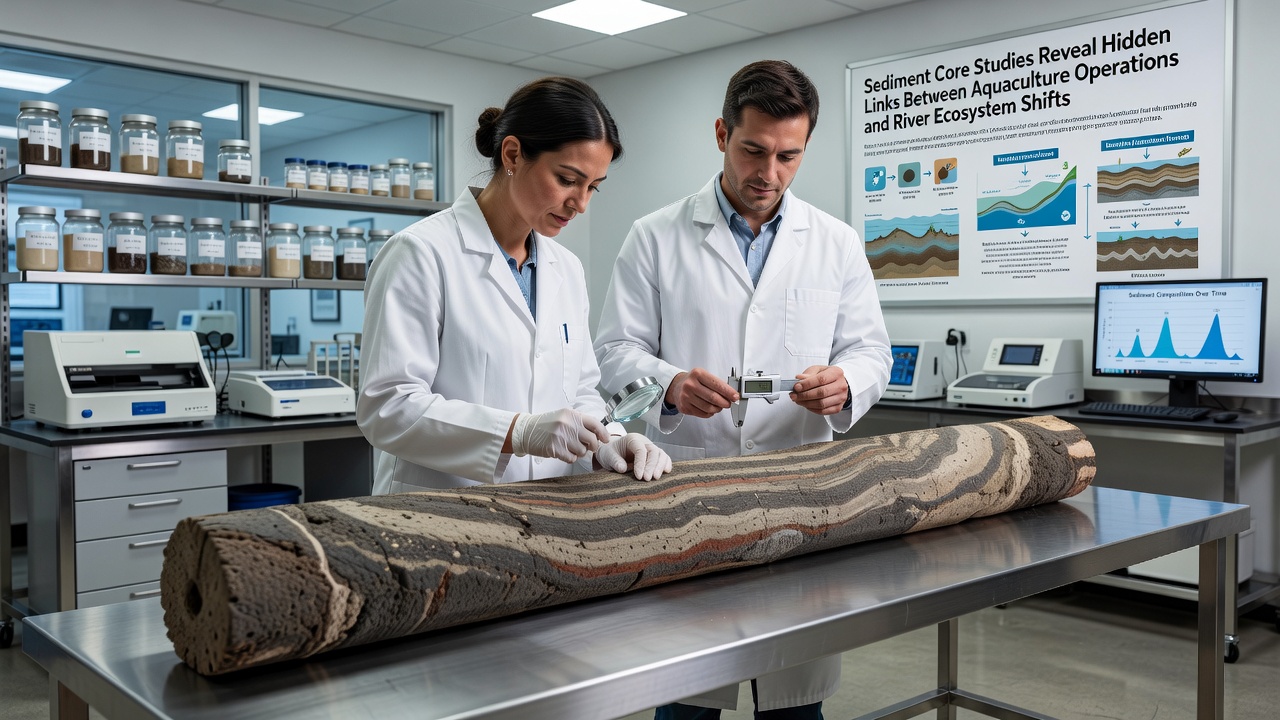
Findings published through academic channels show that macroinvertebrate diversity metrics declined in affected river sections during peak production years, whereas sites without upstream farms maintained more stable profiles throughout the same intervals. The research highlights how sediment archives capture cumulative effects that short-term water sampling often misses, because the cores integrate signals over months and years rather than providing only snapshots of current conditions.
Timeline of Aquaculture Expansion and Environmental Records
Aquaculture in the Scottish Highlands grew substantially from the 1980s onward, with production concentrated in lochs and rivers that feed major catchments, and sediment cores from these areas now serve as historical ledgers that align farm output statistics with ecological responses. Records from September 2026 conferences hosted by the Scottish Association for Marine Science presented updated core data extending through 2025, confirming continued correlations between farm density and sediment nutrient loading in several monitored rivers. Government monitoring programs coordinated with industry groups supplied production figures that researchers cross-referenced against the core chronologies, strengthening the observed associations without relying on direct discharge measurements alone.
International comparisons appear in the literature as well, with similar sediment-based approaches applied in Norwegian fjords and Canadian coastal rivers where aquaculture operates at scale, and those studies report parallel patterns of localized enrichment that the Highland results echo in detail. The consistency across regions supports the interpretation that the Scottish findings reflect broader mechanisms rather than isolated anomalies, while the Highland-specific data add resolution on riverine rather than purely marine settings.
Implications for Monitoring and Management
Environmental agencies have incorporated sediment core techniques into ongoing surveillance frameworks because the method supplies baseline data for areas lacking pre-development records, and this approach helps distinguish aquaculture contributions from other land-based pressures. Regulatory bodies in the UK and comparable agencies in the EU and Australia have referenced such studies when refining guidelines on farm siting and waste management protocols, although implementation varies by jurisdiction and depends on local hydrology and production intensity.
Those who have examined multiple Highland catchments report that some rivers show stabilization in recent core layers following adoption of improved feed efficiency and waste containment at nearby operations, whereas others continue to register incremental changes that warrant further investigation through extended sampling campaigns. The technique also aids in evaluating restoration efforts by comparing pre- and post-intervention sediment profiles, providing measurable benchmarks for ecosystem recovery over multi-year periods.
Conclusion
Sediment core studies continue to supply detailed evidence of connections between aquaculture operations and river ecosystem dynamics in the Scottish Highlands, with chronological records that span the growth of the sector and capture both impacts and subsequent adjustments. The approach integrates chemical, biological, and chronological analyses to reveal patterns that complement conventional monitoring, and ongoing work scheduled through regional research networks will extend these datasets further into the future. Data from these investigations inform management decisions across similar environments worldwide while remaining grounded in the specific conditions of Highland river systems.