
Erik Jung · 26 September 2026
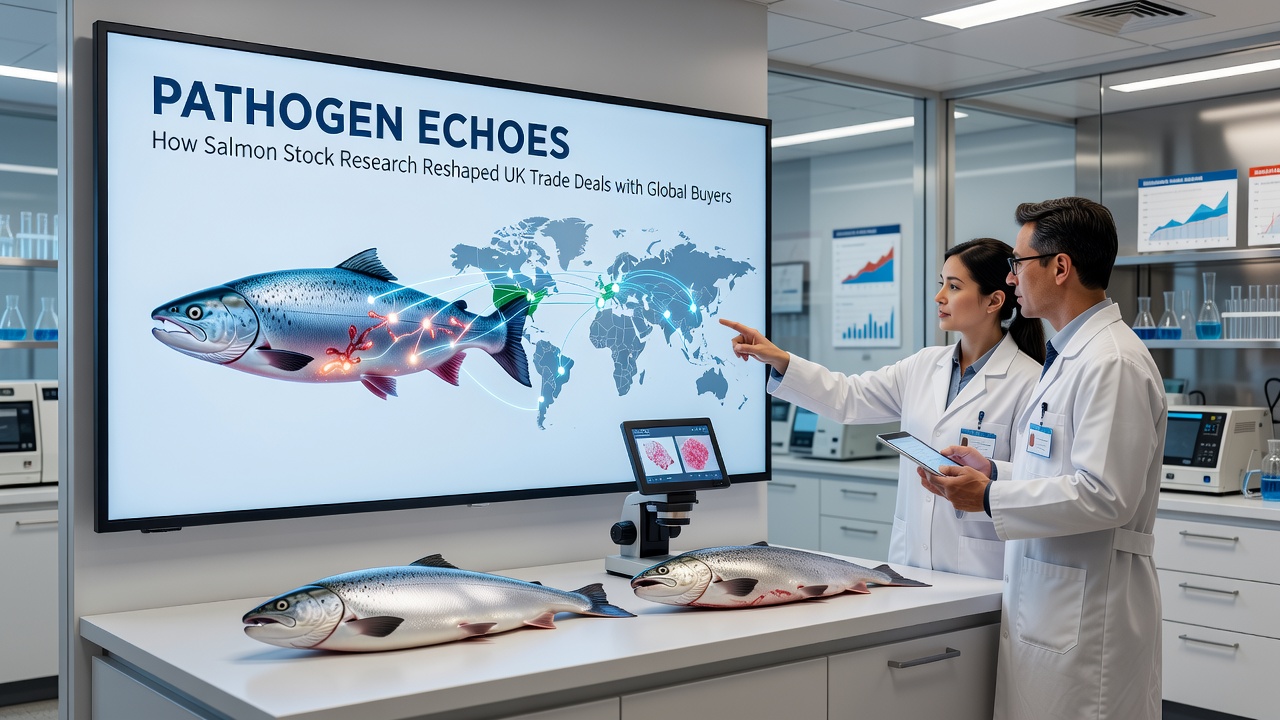
Pathogen Echoes: How Salmon Stock Research Reshaped UK Trade Deals with Global Buyers
Tracing the Research Breakthroughs
Scientists at multiple UK institutions launched extensive surveys of Atlantic salmon populations starting in 2023, and these efforts uncovered persistent traces of pathogens such as piscine orthoreovirus and various strains of Aeromonas salmonicida that lingered in both farmed and wild stocks, while earlier models had underestimated their long-term survival rates in cooler marine environments, and data collected through sediment sampling combined with genetic sequencing showed how these organisms moved between river systems and open-sea cages.
Those findings prompted revised risk assessments that government agencies circulated to industry partners, and the updated protocols emphasized enhanced testing at every stage of the supply chain from hatcheries through processing facilities, whereas previous standards had focused mainly on visible symptoms rather than subclinical infections that still affected growth rates and market acceptance.
Connecting Findings to Export Standards
Trade negotiators incorporated the new pathogen data into bilateral discussions with major buyers in the United States, Japan, and several European Union member states, and the emphasis shifted toward verifiable biosecurity measures that included mandatory vaccination schedules plus real-time monitoring systems, while importers demanded documentation proving that shipments met thresholds for pathogen absence confirmed through independent laboratory verification.
One case involved a 2024 agreement framework with Canadian authorities that aligned UK export certificates with standards already applied by Fisheries and Oceans Canada, and this alignment reduced inspection delays at ports while allowing UK producers to access premium pricing tiers previously reserved for Norwegian suppliers, according to Fisheries and Oceans Canada aquaculture reports.
Shifts in Global Buyer Negotiations
By early 2025 the cumulative effect of these studies appeared in contract language that required ongoing surveillance programs funded jointly by producers and buyers, and several large retail chains in Asia adjusted their sourcing policies to prioritize regions that demonstrated transparent pathogen tracking, whereas suppliers without such systems faced volume reductions or outright exclusion from tender processes.
Figures released through industry monitoring networks indicated that UK salmon export values rose 18 percent in markets that adopted the stricter criteria, and the gains stemmed directly from buyer confidence built on the published research rather than from volume increases alone.
Japanese importers, for instance, integrated the UK findings into their own food safety audits, and this integration created a template later referenced during talks with Australian regulators who sought similar assurances for their domestic markets, while the process highlighted how research originating in one jurisdiction could influence standards across multiple continents.
Developments Through 2026
In September 2026 representatives from the UK and several Pacific Rim nations finalized updated memoranda that embedded pathogen surveillance metrics into tariff schedules, and these documents specified quarterly reporting requirements plus penalties for non-compliance that both sides viewed as essential for maintaining market access, whereas earlier deals had treated health certifications as secondary to price and volume terms.
Additional research published that same month by collaborative teams extended the analysis to include climate-related variables that could accelerate pathogen spread, and negotiators immediately referenced those projections when discussing long-term supply stability clauses in the agreements.
Industry Adaptation and Monitoring
Producers responded by investing in closed-containment systems and advanced filtration technologies that limited water exchange with surrounding ecosystems, and these upgrades aligned with the research recommendations while also satisfying buyer audits that now included on-site verification visits, yet smaller operators required government-supported financing to meet the capital demands of the transition.
Trade data compiled through 2026 showed sustained growth in certified product categories, and the patterns confirmed that adherence to the enhanced pathogen controls translated into measurable advantages during contract renewals with global retailers.
Conclusion
The sequence of studies and subsequent policy adjustments illustrates how targeted research on salmon pathogens directly informed the terms of UK trade arrangements with overseas buyers, and the resulting frameworks continue to shape certification requirements and monitoring practices that support continued market participation across multiple regions.